

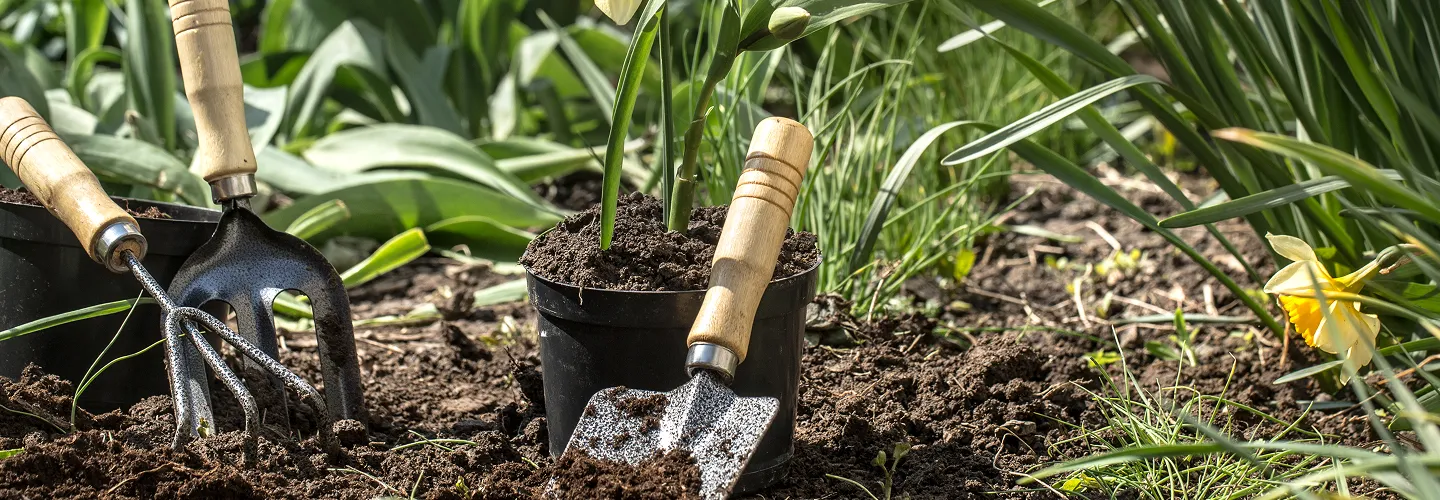
Beverly Lawn Edging Services
Choose our Lawn Edging for professional craftsmanship, durable materials, and a flawless finish that elevates your curb appeal and keeps your landscape looking pristine all year long.
Get a Free QuoteWhen to Schedule Lawn Edging in Beverly, Massachusetts – Seasonal Guide
In Beverly, Massachusetts, the best times to schedule lawn edging are typically in early spring and late summer. The region’s climate, with its cold winters and humid summers, means that soil conditions and grass growth patterns can vary significantly throughout the year. Early spring, just after the last frost date, is ideal for defining crisp lawn edges before new growth accelerates. Late summer, after the peak of heat and humidity, is another excellent window—especially in neighborhoods like Montserrat and near Lynch Park, where mature trees and established landscapes are common.
Local environmental factors play a significant role in determining the optimal timing for lawn edging. Beverly’s proximity to the coast brings higher humidity and occasional salt exposure, while shaded areas in neighborhoods such as Centerville may experience slower soil warming and longer moisture retention. It’s also important to consider municipal guidelines and resources, such as those provided by the City of Sudbury, to stay informed about any seasonal restrictions or best practices for landscape maintenance.
Local Factors to Consider for Lawn Edging in Beverly
- Tree density and shade coverage, especially in older neighborhoods
- Soil type and drainage, which can affect edge definition and root growth
- Precipitation patterns and risk of drought during summer months
- Frost dates and soil temperature in spring and fall
- Municipal restrictions or recommendations for landscape work
Benefits of Lawn Edging in Beverly
Enhanced Curb Appeal
Professional Finish
Weed Growth Prevention
Low Maintenance Solutions
Increased Property Value
Custom Design Options
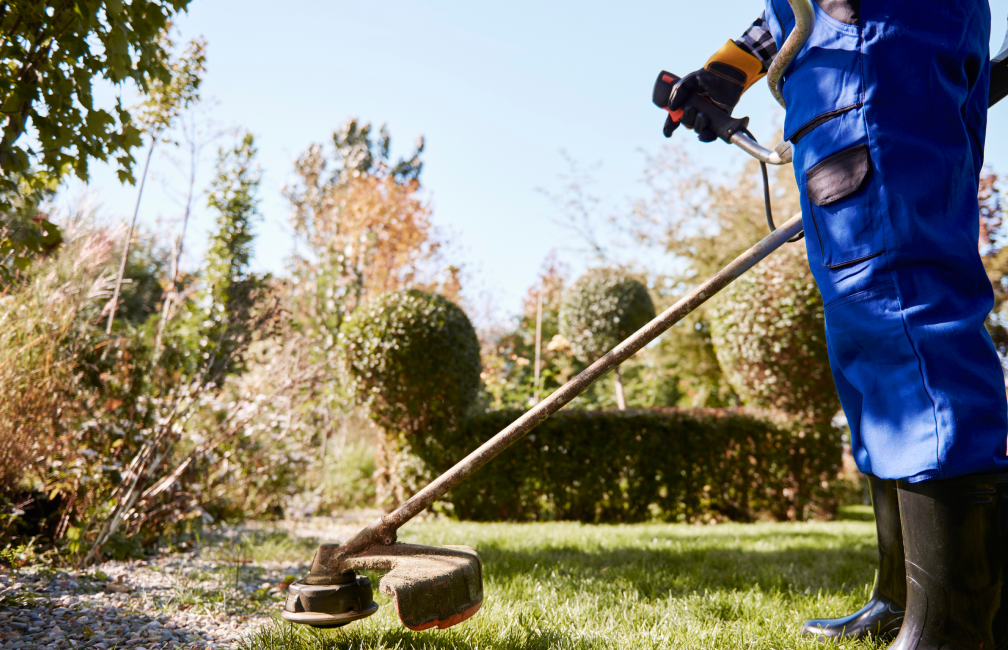
Beverly Lawn Edging Types

Metal Lawn Edging
-
Plastic Landscape Edging
-
Stone Garden Borders
-
Brick Edging
-
Wooden Landscape Edging
-
Concrete Lawn Borders
-
Rubber Landscape Edging
Our Lawn Edging Process
Site Evaluation
Marking Edges
Cutting the Edge
Debris Removal
Final Inspection
Why Choose Beverly Landscape Services
-
Beverly Homeowners Trust Us
-
Expert Lawn Maintenance
-
Reliable Seasonal Cleanup
-
Competitive Pricing
-
Professional Team
-
Satisfaction Guarantee
-
Personalized Service
Contact Beverly's Department of Public Works for Edging Debris Disposal & Municipal Right-of-Way Coordination
Proper disposal of lawn edging debris in Beverly is regulated to protect public health and the environment. From April through November, residents must use biodegradable paper bags for yard waste—plastic bags are prohibited per MassDEP. Bulk materials such as metal, plastic, or concrete edging should be brought to the Transfer Station. When working near sidewalks, streets, or parkways, advance notification and coordination with the Department of Public Works is required to ensure right-of-way compliance and street tree protection. Immediate cleanup of materials is essential to prevent storm drain contamination and should be coordinated with municipal street sweeping schedules. Edging projects may also intersect with municipal initiatives like sidewalk replacement or utility work, requiring close communication with city departments.
Beverly Public Services Department
191 Cabot Street, Beverly, MA 01915
Phone: (978) 921-6053
Official Website: Beverly Public Services Department
Property Line Compliance, Setback Requirements & Utility Protection for Lawn Edging in Beverly
Lawn edging in Beverly must comply with local zoning setbacks, typically ranging from 3-10 feet from property lines—always verify with city ordinances. Respecting easements and right-of-way restrictions is crucial, especially near sidewalks and public infrastructure. Before digging, contact Dig Safe 811 at least 48 hours in advance (72 hours recommended) to identify underground utilities; hand-digging is required near irrigation, lighting, gas, or electric lines. Safety protocols include using PPE such as safety glasses, hearing protection, steel-toe boots, and cut-resistant gloves, along with regular equipment maintenance. Maintain clear sight distance triangles of 30-50 feet at intersections and driveways, and avoid obstructing hydrants, signage, or emergency access. For municipal or commercial work, a minimum 1M liability insurance and bonding may be required.
Beverly Municipal Inspections / Building Department
191 Cabot Street, Beverly, MA 01915
Phone: (978) 921-6025
Official Website: Beverly Municipal Inspections / Building Department
Beverly Conservation Commission Requirements for Edging Near Protected Areas
Edging near wetlands, vernal pools, streams, rivers, or ponds in Beverly is regulated under the Wetlands Protection Act (M.G.L. c. 131, § 40). Permits such as a Notice of Intent (NOI) or Request for Determination of Applicability (RDA) are required for work within buffer zones, which range from 25-100 feet depending on proximity to protected resources. Environmental protection measures include safeguarding mature tree root systems, using non-toxic materials near water bodies, and coordinating with the Mass Division of Fisheries & Wildlife. Erosion control is critical, with immediate stabilization and temporary barriers like silt fences or straw wattles as needed. Seasonal restrictions may apply during wildlife breeding (March-August) and vernal pool activity (March-June).
Beverly Conservation Commission
191 Cabot Street, Beverly, MA 01915
Phone: (978) 605-2356
Official Website: Beverly Conservation Commission
Professional Edging Material Selection & Installation Techniques for Beverly's Glacial Till & Rocky New England Soils
Beverly's soils—primarily glacial till, sandy outwash, rocky shallow, and marine clay—require careful material selection and installation. Flexible plastic or rubber edging costs 0.50-1.50/linear ft and lasts 5-10 years; it's suitable for curves but less durable in freeze-thaw cycles. Metal (aluminum/steel) edging, at 2-4/ft, offers clean lines and 15-25 years of service, but must be corrosion-resistant due to coastal salt exposure. Natural stone or brick (3-8/ft) is permeable and permanent, ideal for Historic Districts. Poured concrete curbing (4-10/ft) is the most durable, withstanding MA's freeze-thaw cycles for 25+ years. Installation requires excavation to 6-8 inches (frost line 36-48 inches), a 3/4" crushed stone base, setting bed sand, and compacted backfill to prevent frost heaving and accommodate soil expansion.
Seasonal Edging Calendar & Weather Timing for Beverly's Climate Zone 6b
Beverly falls within USDA Zone 6b, with a climate that demands careful seasonal planning for lawn edging. The optimal time for installation is spring (April-May), after ground thaw and before peak plant growth. Summer (June-August) offers good soil conditions but avoid work during extreme heat (over 90°F). Fall (September-October) is ideal for preparing edges for winter, while winter (November-March) should be avoided due to frozen ground. Monitor weather through NWS Boston/Norton or Albany for soil moisture and temperature—concrete requires a minimum of 50°F for curing. Avoid muddy glacial till or clay, and coordinate with municipal schedules for street tree pruning and sidewalk cleaning. Consider plant and wildlife needs, especially during breeding seasons.
Stormwater Management & MS4 Compliance During Edging Operations in Beverly
Stormwater management is a critical aspect of lawn edging in Beverly, governed by MS4 requirements under the Clean Water Act and MassDEP Stormwater Standards. Preventing soil and debris from entering storm drains protects water quality and complies with federal and state regulations. Maintain natural drainage patterns and use permeable materials like stone or brick where possible, especially in glacial till or marine clay areas prone to pooling. During construction, promptly clean up debris from streets and sidewalks, stage materials properly, and control dust or slurry with wet cutting. Projects may require coordination under EPA NPDES permits. Long-term, well-installed edging supports improved drainage and integrates with green infrastructure.
Beverly Engineering Department
191 Cabot Street, Beverly, MA 01915
Phone: (978) 605-2351
Official Website: Beverly Engineering Department
Integration with Municipal Sidewalk, Curbing & ADA Accessibility Requirements
Lawn edging projects in Beverly often intersect with municipal sidewalk and curbing improvements, requiring compliance with ADA accessibility standards. This includes ensuring flush transitions, curb ramps, and unobstructed pedestrian pathways. Coordination with the Building Department, Planning Board, and Engineering Department is essential for scheduling and design review. Public safety is prioritized through proper signage, barriers, and maintaining emergency vehicle access. The Police Department may assist with traffic control during larger projects. All work must meet municipal engineering standards, with inspections and documentation required for project completion and contract compliance.
Beverly Planning Department
191 Cabot Street, Beverly, MA 01915
Phone: (978) 605-2357
Official Website: Beverly Planning Department
Beverly Police Department
191 Cabot Street, Beverly, MA 01915
Phone: (978) 922-1212
Official Website: Beverly Police Department
Post-Edging Maintenance & Long-Term Landscape Management in Beverly
Ongoing maintenance is vital for the longevity and appearance of lawn edging in Beverly. Monthly inspections during the growing season help identify issues like frost heaving or settling, which are common in glacial till and clay soils due to freeze-thaw cycles. Seasonal adjustments include spring repairs, summer monitoring for settling, fall debris removal, and winter considerations for snow removal equipment. Integrate edging maintenance with mowing, fertilization, overseeding, and irrigation adjustments. Long-term planning involves scheduling replacement based on material lifespan (5-25 years) and adapting to evolving landscape needs or property improvements. Proper maintenance supports property values and community aesthetics.
What Neighborhoods Do We Serve Throughout Beverly, MA?
Beverly encompasses diverse neighborhoods, each with unique considerations for lawn edging. In the Historic Districts, such as Beverly Cove and Montserrat, property lines are often complex, and architectural compatibility with Colonial, Victorian, or Cape Cod styles is required. Ryal Side and Centerville feature larger lots and may have more extensive right-of-way or setback requirements. Downtown and Prospect Hill have narrow streets, dense utility corridors, and sidewalk proximity, necessitating careful equipment access and coordination. Prides Crossing and North Beverly may border Conservation Commission jurisdictions, requiring buffer zone compliance and mature tree protection. Across all neighborhoods, soil types range from glacial till to marine clay, and municipal permit procedures, inspection schedules, and beautification standards apply to preserve community character and property values.
Beverly Municipal Ordinances for Edging Equipment Operation & Commercial Service Standards
Beverly enforces specific ordinances for lawn edging equipment operation. Typical hours are 7:00 AM-7:00 PM on weekdays and 8:00 AM-6:00 PM on Saturdays; Sunday work is often restricted before 9:00 AM or prohibited—always verify local bylaws. Commercial providers must hold a business license with the City Clerk and register as a Home Improvement Contractor for contracts over $1,000 per MA law. Insurance minimums of 1M and bonding are required for municipal work. Safety protocols include traffic control, equipment operation standards, and public notification where necessary. Environmental compliance mandates proper material handling, vehicle maintenance, daily cleanup, and documentation of waste disposal, supporting both public safety and environmental stewardship.